


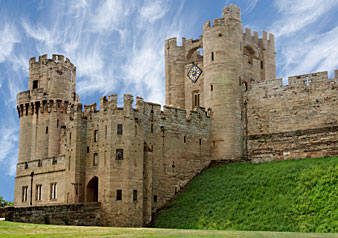
Besides its unrivalled natural beauty, it is the rich history of the Cotswolds that draws visitors to the region. From Roman villas to medieval abbeys, royal connections, and grand country houses, the area tells the story of England across centuries. Whether you’re exploring the Cotswolds on foot, cycling through market towns like Stow-on-the-Wold or Moreton-in-Marsh, or visiting iconic landmarks such as Sudeley Castle and Blenheim Palace, the historic sites in the Cotswolds are among the most fascinating in Britain.
In this guide, we outline the best historical sites in the Cotswolds, each offering a glimpse into the region’s rich history and cultural legacy.
Chedworth Roman Villa
One of the most famous historical landmarks in the region is Chedworth Roman Villa, located near Cheltenham. This impressive site was one of the largest Roman villas in England, built between the 2nd and 4th centuries. Rediscovered by Victorian archaeologists in 1864, the villa’s stunning mosaics, hypocaust system, and baths reveal the luxury of Roman life in the Cotswold hills.
The onsite museum showcases artefacts from daily Roman life, while guided tours and reenactments bring history to life. The villa is part of the National Trust, making it an essential stop for anyone interested in the history of the Cotswolds.
Hailes Abbey: A 13th-Century Monastic Treasure
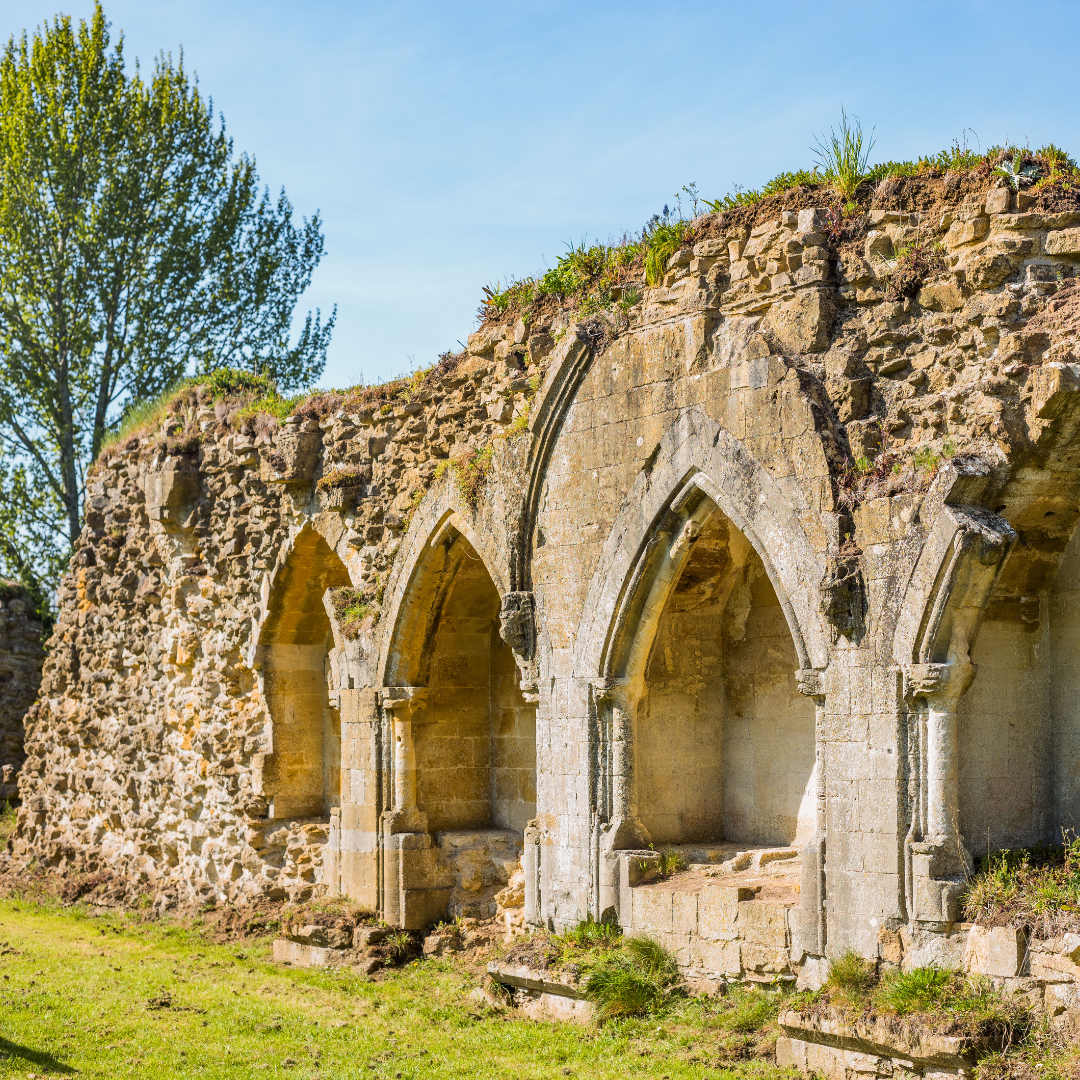
Founded in 1246 by Richard, Earl of Cornwall, Hailes Abbey is one of the most atmospheric ruins in the region. Built as a thanksgiving after surviving a shipwreck, the abbey became a major pilgrimage site until it was destroyed under Henry VIII during the Dissolution of the Monasteries in the 16th century.
Though now in ruins, the cloisters and chapter house foundations provide a powerful sense of medieval devotion. Visitors can walk through the remains, admire the Cotswold stone construction, and imagine its former grandeur. The site sits close to Winchcombe and links easily with the Cotswold Way walking route.
Cirencester Amphitheatre: Roman Cirencester
The town of Cirencester, England was second only to London in Roman Britain. Its spectacular amphitheatre, dating back to the 2nd century, could hold up to 8,000 spectators and remains one of the best-preserved examples of Roman engineering in the country.
Free to enter and maintained by English Heritage, the amphitheatre offers sweeping views across the rolling hills and is an important reminder of the Cotswolds’ Roman history. Here you’ll get time to explore Cirencester’s market town centre, dotted with historic buildings, cafes, and the award-winning Corinium Museum.
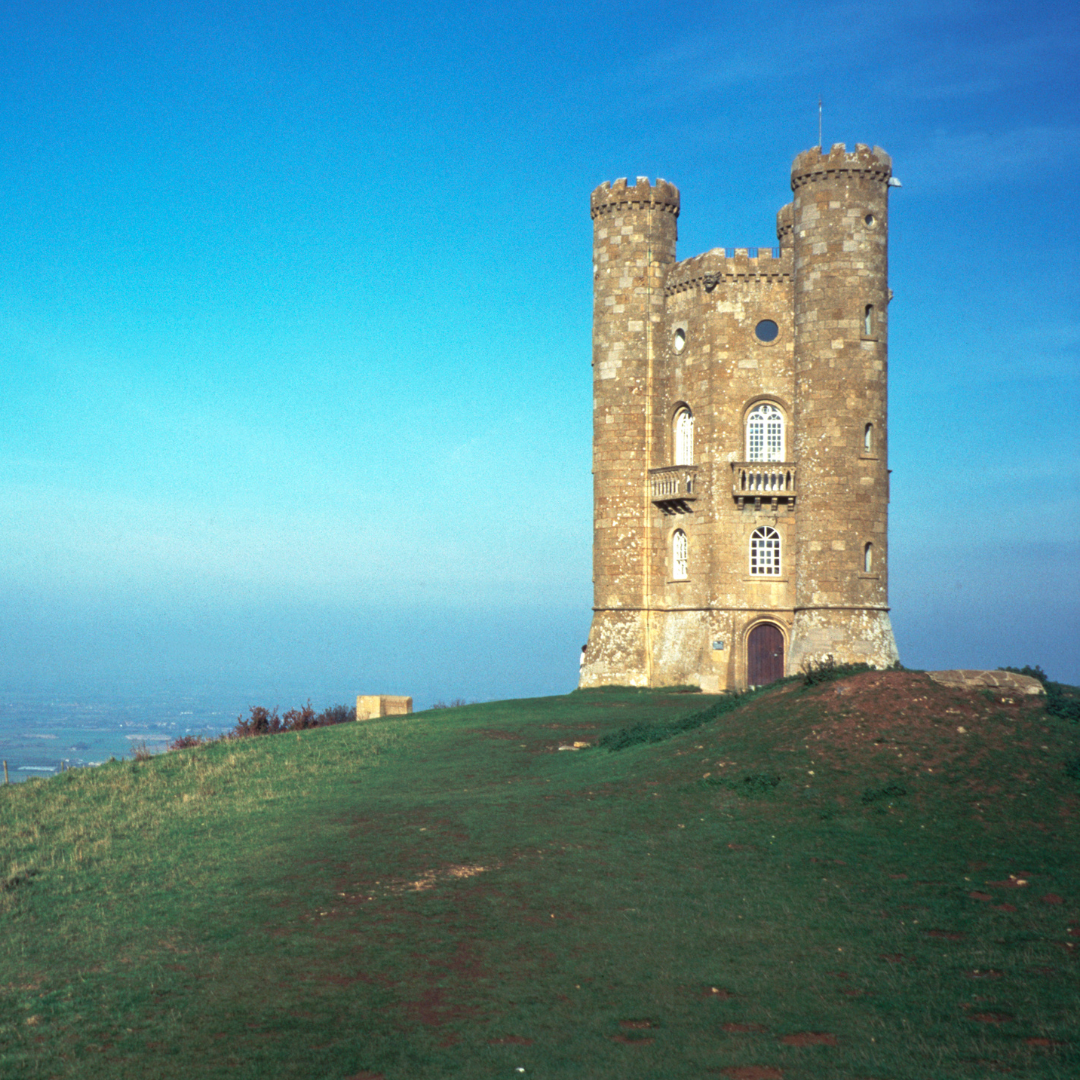
Broadway Tower, Cotswolds
Broadway Tower is a must-see for those looking to experience one of the most iconic viewpoints and historical sites in the Cotswolds. Many of our tours include a moderately difficult Broadway Tower walk, which takes about 2.5 – 3 hours. If you’re not up for the walk, you can also drive up to the top and explore the historical architecture, wartime history and so much more!
Gloucester Cathedral
The Gloucester Cathedral is the burial place of King Edward II, offering guided tours, tower climbs, and special exhibitions. For Harry Potter fans, it’s also famous for being featured in many of the movies as part of Hogwarts. As an unforgettable stop on any Cotswolds itinerary, this holy place is one not to be missed!
Sudeley Castle: Tudor History in Winchcombe
Located near the historic town of Winchcombe, Sudeley Castle is a jewel of the Cotswolds’ history. Famous as the final resting place of Katherine Parr, the last wife of Henry VIII, the castle has connections to key figures from the Wars of the Roses to the Tudor court.
Built in the 15th century and later expanded, the castle features magnificent gardens, medieval ruins, and a grand manor house interior. The estate covers 1,200 acres of parkland and has been described as one of the true hidden gems in the Cotswolds. Today, it remains the only private castle in England to have a queen buried within its grounds.
Blenheim Palace: A World Heritage Site in Oxfordshire
Perhaps the most famous of all historic sites in the Cotswolds is Blenheim Palace, located in Oxfordshire. This UNESCO World Heritage Site was built in the early 18th century as a gift to John Churchill, 1st Duke of Marlborough, for his victory at the Battle of Blenheim.
A masterpiece of baroque architecture, the palace is surrounded by breathtaking parkland and landscaped gardens designed by Capability Brown. It is also the birthplace of Winston Churchill, adding to its rich history. From its ornate staterooms to its grand cloisters and landscaped grounds, Blenheim Palace epitomises the grandeur of English country houses.
Visitors often combine a trip here, or a stop in nearby Stratford-upon-Avon, home of Shakespeare.
Visit the Cotswolds for Its Rich History
So, what are the Cotswolds known for? A unique blend of natural beauty, historic buildings, and cultural heritage. From Roman villas to Tudor castles, from medieval cloisters to Victorian treasures, the region offers some of the most remarkable historic sites in the Cotswolds and beyond.
No matter your goal while visiting the Cotswolds, you’ll be rewarded with a journey through time. The history of the Cotswolds is written into its stone cottages, abbeys, and palaces… and it’s waiting to be discovered.
Get in touch with our experts for more information!